Weed in Sorocaba: A 2026 Guide to Brazil’s Cannabis Reality in São Paulo’s Interior City
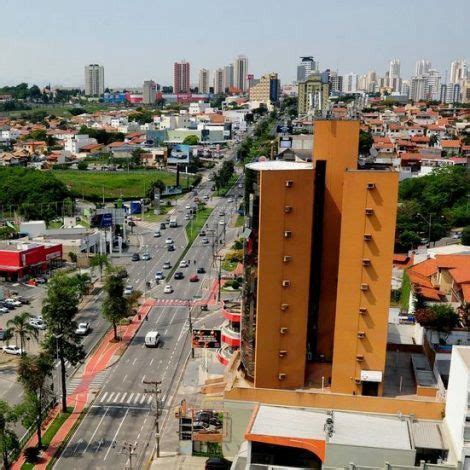
Sorocaba sits in the interior of São Paulo state and has grown into one of the region’s major urban centers—often described as one of the largest cities outside Greater São Paulo, with a population well above 700,000. (Wikipedia) It’s the kind of city people pass through for work, family, university life, and shopping—less “tourist-driven” than coastal Brazil, but very much a modern city with busy neighborhoods, nightlife pockets, and strong regional identity.
So when people search “weed in Sorocaba”, they’re usually trying to answer two questions at once:
- What’s the legal risk in Brazil right now?
- How does the “medical cannabis” conversation fit with what’s actually legal on the street?
Brazil’s cannabis situation is easy to misunderstand because it has been changing in meaningful ways—especially through court decisions and health regulations—without becoming a fully legal recreational market. In June 2024, Brazil’s Supreme Court decided that possession for personal use should be treated as decriminalized (i.e., not a criminal offence), while selling remains illegal—and the court also addressed how to define personal-use quantities. (WLRN) At the same time, Brazil continues expanding legal pathways for cannabis-based medical products, especially through ANVISA regulations for controlled products and patient import routes. (PMC)
This article is written for education and harm-minimization. It does not include where to buy, who to ask, prices, or tips to break the law.
Sorocaba at a Glance: Why Local Context Matters for Cannabis Risk
Sorocaba is commonly described as a large municipality in São Paulo’s interior, with more than 723,000 residents (and 2022 census figures around 723,682 with more recent estimates higher). (Wikipedia) That scale matters because enforcement and risk aren’t only about the law—they’re about city life:
- Dense neighborhoods and active nightlife areas mean more public visibility.
- A large commuter workforce means more policing in transit corridors and busy streets.
- A “regular city” vibe can lull people into assuming that cannabis rules are casual.
In reality, Brazil’s legal picture is nuanced: the country has moved toward decriminalization for personal possession (criminal law), but that does not mean cannabis is “legal to sell,” nor does it mean you won’t face consequences (administrative, civil, or police procedure) if you’re stopped.
Is Weed Legal in Sorocaba?
Brazil is not a “fully legal recreational market” country. Instead, Brazil has been shifting through court decisions and regulatory changes.
A key milestone came in June 2024, when Brazil’s Supreme Court decriminalized possession of marijuana for personal use—while making clear that selling remains illegal. (WLRN)
What “decriminalized” generally means in this context:
- Possession for personal use is not treated as a criminal offence in the same way as before.
- It does not automatically create a legal retail market.
- It does not guarantee that police interactions disappear.
Practical takeaway for Sorocaba:
- Recreational selling remains illegal. (WLRN)
- Personal possession is in a less punitive place than before, but you should still treat it as a risk topic, not a free pass. (WLRN)
Decriminalization vs Legalization: The Difference That Saves People From Bad Assumptions
A lot of travelers and even locals treat these words like the same thing. They aren’t.
Legalization usually means the state allows adult use and builds a legal supply chain (licensed production, regulated sales).
Decriminalization means the state reduces or removes criminal penalties for certain conduct (often personal possession) without creating a legal commercial market.
Brazil’s Supreme Court move is best understood as decriminalization for personal possession—not a full legalization framework like Canada or Uruguay. (WLRN)
So for a city guide like Sorocaba, the correct messaging is:
- Don’t describe dispensary-style access.
- Don’t imply open legality.
- Focus on what’s real: personal possession is treated differently now, but commercial activity remains illegal.
How Much Is “Personal Use” in Brazil?
This is the part people most want, because it sounds like a clear rule. But it’s also the part that gets misunderstood, and it’s where accuracy matters.
Some reporting and summaries describe the Supreme Court’s personal-use threshold in terms of a specific quantity (often discussed publicly as up to 40 grams). Reuters’ reporting in late 2025 referenced decriminalized possession up to 40 grams for personal use while maintaining illegality of cultivation/sale for recreational use. (Reuters)
If you’re publishing this on a travel site, a safe approach is:
- Acknowledge that the Supreme Court decision decriminalized personal possession and that quantity thresholds have been publicly discussed and cited in reporting. (Reuters)
- Emphasize that selling remains illegal, and that enforcement reality can depend on circumstances. (WLRN)
This avoids the trap of turning “a number” into “permission.”
What Still Gets People Into Serious Trouble
Even with decriminalization for personal possession, the biggest legal danger zones remain:
- Selling or supplying
- Large-quantity possession that looks like supply
- Organized distribution
- Any situation that escalates to trafficking allegations
Reuters’ summary is straightforward: recreational marijuana remains illegal and planting/selling recreational marijuana remains prohibited, even while personal possession at certain levels is no longer a crime. (Reuters)
So: if someone’s behavior can be interpreted as “supplying,” the risk is dramatically higher than simple possession.
Medical Cannabis in Brazil: Where the Legal Pathways Actually Exist
Brazil’s most established cannabis framework is medical, and it’s built around ANVISA (Brazil’s health regulatory agency) permissions and rules.
In practice, Brazil’s medical landscape includes:
- regulated cannabis-based products available under specific authorizations, and
- a significant patient-import pathway (with medical prescription and regulatory compliance).
A 2025 peer-reviewed study discussing cannabidiol-based products in Brazil analyzes labeling and regulatory quality under RDC 660/2022 (import pathway) and RDC 327/2019 (temporary authorization/market pathway), which signals how the medical system is being structured and monitored. (PMC) Another 2025 regulatory analysis describes the importation framework and the broader sanitary regulation landscape for cannabis-derived products. (Scielosp)
What this means for Sorocaba residents:
- Medical cannabis is not “street weed made legal.”
- It’s a compliance-heavy healthcare pathway—prescription, documentation, and regulated product categories.
Home Growing and Court Authorizations: Why You’ll Hear About “Habeas Corpus”
Brazil has a long history of patients seeking court authorizations to cultivate cannabis for personal medical treatment (often framed through habeas corpus petitions in Brazilian legal practice). This is not the same as recreational cultivation being legalized nationwide.
Separately, Brazil’s Superior Court of Justice (STJ) has been shaping the industrial hemp side:
- In November 2024, legal reporting described the STJ authorizing activities around industrial hemp (low-THC cannabis, typically below 0.3% THC) for medical/pharmaceutical purposes and ordering regulators to create rules within deadlines. (Licks Attorneys)
- Subsequent updates reported the regulation timeline being pushed, with discussion of deadlines moving out toward March 31, 2026 in some legal and industry summaries. (DANIEL LAW)
This matters because people often confuse:
- “industrial hemp regulation”
with - “recreational weed legalization.”
They are not the same process.
Sorocaba “Weed Culture”: What It Looks Like When the Market Isn’t Fully Legal
Sorocaba isn’t São Paulo city; it’s more grounded and residential while still being large and busy. (Wikipedia) In a place like this—where Brazil is not operating a fully legal adult retail market—cannabis culture tends to fall into a few patterns:
- Private and social: people keep it inside homes or small gatherings.
- Medical curiosity: growing interest in CBD, regulated products, and patient stories.
- Risk-aware behavior: many people are cautious due to uncertainty and the fact that selling remains illegal.
For a travel guide, it’s important not to romanticize or “map” an illegal market. The helpful part is setting expectations: don’t assume legalization-style openness, and don’t assume that “decriminalized possession” equals “no consequences.”
Public Space, Driving, and “Secondary Risk” in Sorocaba
Even when the legal system softens around possession, “secondary risk” remains:
- Driving under impairment can create major problems (and the consequences of accidents are real everywhere).
- Public disturbance or conflict escalates attention.
- Workplace and family consequences can be severe even when criminal penalties are reduced.
If your goal is to keep readers safe, the strongest advice is behavioral rather than legalistic:
- Avoid mixing cannabis and vehicles.
- Keep decisions boring and low-visibility.
- If you’re using medically, stay inside medical channels and documentation.
Legal Alternatives and Safer Choices for Travelers and Residents
Many people searching “weed in Sorocaba” are actually searching for:
- better sleep
- stress relief
- appetite
- pain management
In Brazil, the safest direction is:
- If you’re pursuing symptom relief, explore regulated medical pathways where appropriate. (PMC)
- Avoid unverified products marketed as “CBD” without quality assurance (labeling quality is a known issue in many markets, and Brazil’s researchers are actively studying these gaps). (PMC)
And if you just want relaxation, Sorocaba offers “normal-life calm” without legal friction: parks, food, social life, and day trips within São Paulo state.
FAQs: Weed in Sorocaba
Is weed legal in Sorocaba?
Brazil is not a fully legal recreational market. In June 2024, Brazil’s Supreme Court decriminalized possession of marijuana for personal use, while selling remains illegal. (WLRN)
Does decriminalized mean I can buy it legally?
No. Decriminalization is not the same as a licensed legal market. Reuters and other reporting emphasize that recreational planting/selling remains prohibited even while personal possession at certain levels is no longer a crime. (Reuters)
Is there a “personal use” quantity?
Reporting has referenced a threshold used to characterize personal use (often cited as up to 40 grams in coverage). Treat this as a legal framing tool, not a guarantee of “safe possession,” and remember circumstances still matter. (Reuters)
Is medical cannabis available in Brazil?
Brazil has medical pathways regulated by ANVISA, including frameworks discussed in research and regulatory analysis (e.g., RDC 660/2022 import pathway and RDC 327/2019 product authorization framework). (PMC)
Can I grow cannabis legally in Sorocaba?
Recreational cultivation is not broadly legalized. Some cultivation for medical reasons has been pursued through court authorizations in Brazil, and industrial hemp has been addressed by court decisions and regulatory deadlines—but that is not the same as “anyone can grow recreationally.” (Licks Attorneys)
What’s the biggest risk behaviorally?
Anything that looks like supply/sale, large-quantity handling, or distribution raises risk sharply. Selling remains illegal. (WLRN)
Authoritative Marijuana-Site Outbound Links (Exactly 3)
https://norml.org/
https://www.projectcbd.org/
https://www.mpp.org/
References
- Sorocaba city context and population scale. (Wikipedia)
- Brazil Supreme Court decriminalization coverage (possession for personal use; selling remains illegal). (WLRN)
- ANVISA-regulated medical product pathways and quality/regulatory analysis (RDC 660/2022 and RDC 327/2019 discussed in peer-reviewed research). (PMC)
- STJ industrial hemp decision and ongoing regulatory deadline discussion (court-authorized hemp framework and postponed deadlines). (Licks Attorneys)
Conclusion
Sorocaba is a large, modern interior city in São Paulo state, and its cannabis reality mirrors Brazil’s broader direction: less criminal punishment for personal possession after the Supreme Court’s 2024 decision, but no fully legal recreational market and continued illegality around selling and commercial supply. (WLRN) At the same time, Brazil’s most stable legal cannabis pathway remains medical, shaped by ANVISA regulations and ongoing research into product quality and regulation. (PMC)
If you’re reading this as a traveler or a cautious local, the smartest approach in 2026 is simple: don’t confuse decriminalization with legalization, avoid any behavior that could be interpreted as supply, and if you’re pursuing cannabis for health reasons, lean toward regulated medical channels rather than informal products.
You’re the best when it comes to marijuana products , always taking care of me. Definitely recommending you to my friends. Thanks for the quick delivery .Really happy with the product .As usual, it’s top-notch. Keep it up you. you can contact them on email Scenthub43@gmail.com and also there Telegram : https://t.me/Scenthub43
wow Thanks for the referral they have great service and got the best weed around. and the delivery is so smooth

Thanks for always being reliable! I can always count on you for good product.
You’re the go-to in the area for a reason. Always a smooth experience