Weed in Izmail: Laws, Local Reality, and Safer Choices on Ukraine’s Danube
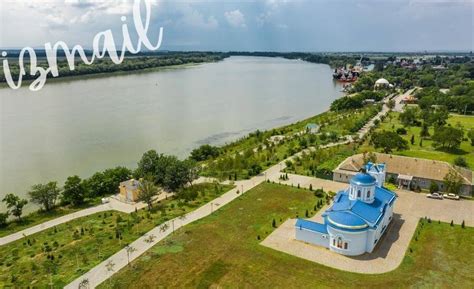
Izmail (Ізмаїл) sits on the Danube in Odesa Oblast, near the Romania-facing river corridor that has become strategically important during the war. It’s a port city with a layered history and a modern identity shaped by shipping, trade, and cross-border movement. (Wikipedia)
If you’re researching “weed in Izmail,” the most useful approach is to separate three different “cannabis worlds” that people often mix together:
- Recreational cannabis (THC-rich weed) — still illegal under Ukrainian law.
- Medical cannabis — Ukraine has introduced a regulated framework, with key implementation dates and licensing rules that started taking effect in 2024. (CMS Law)
- Hemp/CBD-adjacent talk — often misunderstood, and not the same as possessing or using illegal cannabis.
Izmail also has an extra layer: it’s a transport-and-border-adjacent city, so customs scrutiny, movement checks, and security sensitivity can increase the consequences of “small mistakes.” That’s why this guide leans hard into clarity, risk reduction, and legal alternatives.
Cannabis laws in Izmail: what’s legal and what isn’t
In Ukraine, recreational cannabis is not legal. Possession, cultivation, and supply are covered by criminal-law provisions, and penalties can escalate sharply when authorities suspect distribution or cultivation above certain thresholds.
A clear example is how Ukrainian legal texts and legal-framework summaries describe cultivation thresholds and penalties in Article 310 (illegal planting/cultivation of cannabis), with penalties increasing as plant counts and circumstances change. (ДУ «ІСП МОЗ України»)
For possession-related conduct without intent to sell, legal commentary commonly points to Article 309 as the central provision discussed in practice. (prikhodko.com.ua)
Practical takeaway for readers:
- “Personal use” does not automatically mean “no consequences.”
- Cultivation (even “a few plants”) can still trigger meaningful legal exposure. (ДУ «ІСП МОЗ України»)
- Anything that looks like supply (quantity, packaging, messaging, cash) can elevate risk significantly.
Why Izmail’s location makes cannabis riskier than people assume
Izmail is not a random inland town. It’s the largest Ukrainian port in the Danube Delta (on the Chilia branch) and a key node in the southwestern corner of Ukraine. (Wikipedia)
During wartime, transport corridors—especially river and grain-export routes—become more sensitive. Reporting has described how Danube ports like Izmail became crucial hubs and also targets. (The Guardian)
That matters because in logistics-heavy places:
- Checks can be more frequent (documents, vehicles, cargo areas).
- Authorities may be more alert to smuggling and trafficking risks.
- Consequences can snowball quickly if you are near ports, terminals, or border-linked infrastructure.
So even if someone tells you “weed is everywhere” (you’ll hear that in almost any city), a port/border corridor changes the risk calculus.
Medical cannabis in Ukraine: what changed (and what didn’t)
Ukraine has moved toward a regulated medical cannabis system, and this is the single biggest reason cannabis discussions got louder nationally in 2024–2025.
Here’s what is consistently described in legal and compliance summaries:
- Ukraine adopted a medical cannabis legal framework and multiple legal-roadmap and compliance sources describe it taking effect on 16 August 2024. (CMS Law)
- The framework is about controlled medical circulation (licensing, compliance, product regulation), not recreational legalization. (CMS Law)
More recent reporting also suggests Ukraine’s government has continued developing the regime, including quotas and production planning for medical cannabis-based substances (not recreational). (ICBC)
What this means for Izmail specifically:
If you’re in government-controlled Ukraine, medical cannabis may exist legally for eligible patients through regulated channels. But it does not mean you can casually buy THC cannabis in Izmail, and it does not protect someone carrying unregulated cannabis on the street.
Common myths about weed in Izmail (and why they get people in trouble)
Izmail is a real city with real people, and like many places, you’ll find someone who claims to “know how things work.” The problem is that cannabis myths spread faster than legal facts.
Myth 1: “Medical cannabis means weed is basically legal now”
Medical legalization is not recreational legalization. The medical framework is controlled and compliance-driven. (CMS Law)
Myth 2: “A tiny amount can’t be a big deal”
Legal exposure depends on the situation—especially if authorities believe there’s supply intent or if you’re near sensitive infrastructure.
Myth 3: “Growing a few plants is safer than buying”
Cultivation is specifically addressed, with thresholds and penalties described in legal texts and summaries. (ДУ «ІСП МОЗ України»)
Myth 4: “Border towns don’t care”
Border-adjacent areas often care more, not less, because trafficking risks are higher.
What enforcement can look like in practice (without the fantasy)
I can’t help with avoiding law enforcement or sourcing illegal drugs. What I can do is explain the pattern that shows up in many jurisdictions, including Ukraine: context matters.
Things that typically increase the chance of serious outcomes:
- Carrying cannabis near transport hubs or the port
- Multiple small packages
- Evidence of coordination or sales messaging
- Mixing cannabis with disorderly conduct
- Having other legal issues at the same time
In a city defined by shipping and transit, avoid creating situations where authorities have reasons to scrutinize you.
Health and safety: what matters most for real people
Even when you remove legal risk, cannabis can carry personal risk. The most important health-and-safety points are simple:
Potency and unpredictability
Illicit-market products aren’t standardized. Potency can be much higher than expected, which increases the chance of:
- panic/anxiety episodes
- confusion and impaired judgment
- unpleasant physical effects (nausea, racing heart)
Mental health stressors are amplified in wartime
In a country under sustained stress, some people use cannabis to sleep or calm down. But high-THC cannabis can worsen anxiety for some users—especially with frequent use, high potency, or if someone already has trauma-related symptoms.
Drug-driving is a life-ruiner
If you’re driving in or around Izmail—especially near checkpoints or security-sensitive areas—do not drive after using intoxicants. Even if you “feel fine,” impairment and legal outcomes do not rely on your confidence.
A travel-minded reality check: Izmail isn’t a “party destination” cannabis city
Izmail can be a fascinating stop for history and river life, and travel guides describe it as a historic town on the Danube. (Wikivoyage)
But if you’re trying to write travel content responsibly, the safest messaging is:
- Ukraine is not an adult-use cannabis market.
- Izmail’s transport context makes “casual weed” riskier than people think.
- War conditions amplify unpredictability.
That’s not moralizing—just honest risk management.
Legal alternatives in Izmail: options if you’re seeking calm, sleep, or relief
Not everyone who searches “weed in Izmail” is trying to party. Many are looking for the effect—relaxation, sleep, reduced tension, less pain.
Here are safer, legal categories to consider:
Cannabinoid education (CBD-focused) vs THC intoxication
CBD is often discussed as a non-intoxicating cannabinoid, but laws and product availability can vary. If your readers want cannabis education from reputable cannabis-focused sites, here are the only 3 outbound links in this article (as requested):
Practical, non-cannabis relaxation options
- Consistent sleep schedule + daylight exposure earlier in the day
- Light exercise (walks, mobility work) to reduce stress load
- Breathing routines that downshift the nervous system
- Reducing caffeine late afternoon/evening
- Warm shower + screen-dimming + simple wind-down ritual
These aren’t exotic, but they’re legal, low-cost, and don’t carry the downside risk of illegal drug involvement.
How to write this topic responsibly for your website readers
If your content is for travelers or general readers, a good “responsible template” for Izmail is:
- Lead with legality and the medical-vs-recreational distinction
- Mention Izmail’s Danube-port role and why that changes the risk profile (Wikipedia)
- Avoid glamorizing or implying easy access
- Offer legal alternatives and harm-minimization advice
- Provide citations to legal framework sources for credibility (CMS Law)
FAQs: Weed in Izmail
Is weed legal in Izmail?
Recreational cannabis is not legal under Ukrainian law. Possession and cultivation can carry legal consequences, with cultivation thresholds and penalties described in legal sources discussing Article 310. (ДУ «ІСП МОЗ України»)
Did Ukraine legalize medical cannabis?
Ukraine implemented a regulated medical cannabis framework, with legal and compliance sources describing it taking effect on 16 August 2024. (CMS Law)
Does medical cannabis mean I can buy THC weed in Izmail?
No. A regulated medical framework is not recreational legalization, and it does not imply open retail access to THC cannabis. (CMS Law)
Is growing a few plants at home “less serious” than buying?
Cultivation is specifically addressed in Ukrainian legal framework summaries, with thresholds and penalties noted for cannabis plant counts (Article 310). (ДУ «ІСП МОЗ України»)
Why is Izmail riskier than some other cities for cannabis?
Izmail is a major Danube port city, and reporting has described the Danube ports’ strategic role during the war—factors that can increase scrutiny and sensitivity. (Wikipedia)
Are there safe, legal “weed alternatives” in Izmail?
If you’re seeking relaxation, consider legal options like sleep routines, exercise, breathwork, and (where legally available) carefully vetted non-intoxicating wellness products. CBD education can help you understand what it is (and isn’t), but CBD is not the same as THC cannabis.
Can you tell me where to buy weed in Izmail?
No. I can’t help with finding or buying illegal drugs. I can help with laws, health/safety considerations, and legal alternatives.
References
- Izmail city overview: location in Odesa Oblast, Danube-port role. (Wikipedia)
- Danube ports and wartime significance (Izmail/Reni context). (The Guardian)
- Ukraine medical cannabis framework (effective date and regulatory approach). (CMS Law)
- Criminal Code framework summaries: Article 310 (planting/cultivation of cannabis) thresholds and penalties. (ДУ «ІСП МОЗ України»)
- Article 309 commentary (possession-related conduct discussion). (prikhodko.com.ua)
- 2026 medical cannabis quota reporting (policy development signal). (ICBC)
Conclusion
Izmail is a distinctive Ukrainian city—historic, river-facing, and strategically important as a Danube port. (Wikipedia) But when it comes to cannabis, the key message is straightforward: recreational weed is not legal, and Izmail’s transport-and-security context can make cannabis-related risk higher and less predictable than people assume.
Ukraine’s move toward regulated medical cannabis is real and significant, with implementation and compliance frameworks described as taking effect in August 2024—yet that system is designed for controlled medical access, not casual adult use. (CMS Law)
If your goal is relaxation or relief, the smartest path in Izmail is to avoid illegal cannabis entirely, understand the medical-vs-recreational difference, and lean into legal alternatives that don’t put your safety, freedom, or future plans on the line.
You’re the best when it comes to marijuana products , always taking care of me. Definitely recommending you to my friends. Thanks for the quick delivery .Really happy with the product .As usual, it’s top-notch. Keep it up you. you can contact them on email Scenthub43@gmail.com and also there Telegram : https://t.me/Scenthub43
wow Thanks for the referral they have great service and got the best weed around. and the delivery is so smooth.

Thanks for always being reliable! I can always count on you for good product.
You’re the go-to in the area for a reason. Always a smooth experience