Introduction to Weed in Kreuzberg
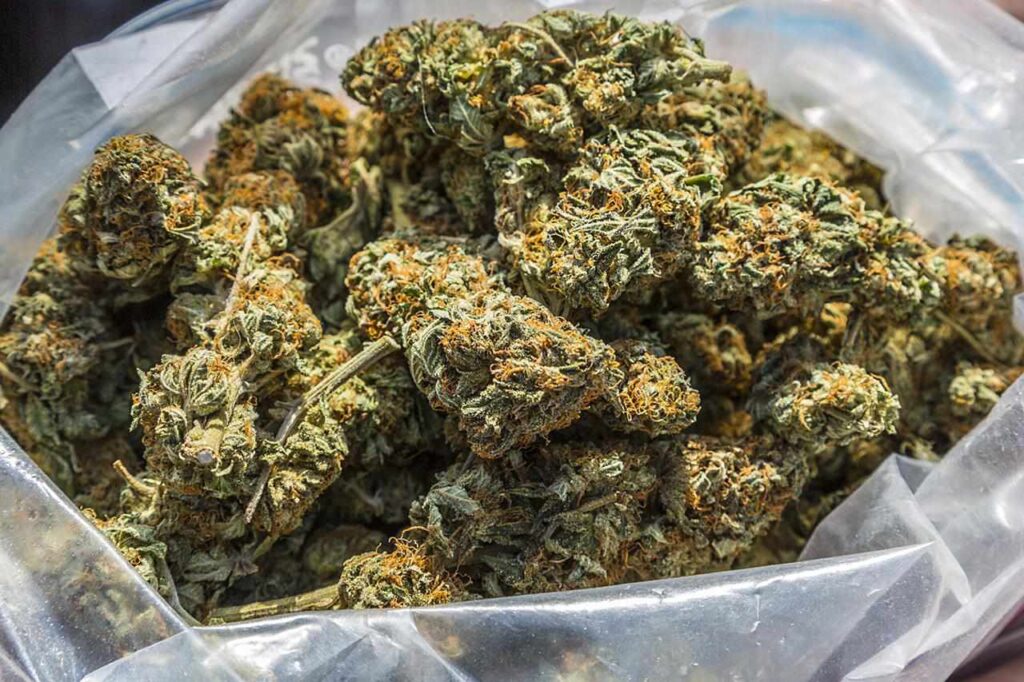
Kreuzberg is one of the most famous neighborhoods in Berlin, known for its multicultural population, vibrant nightlife, street art, and strong alternative culture. For decades, Kreuzberg has also been associated with progressive political movements, underground music scenes, and open discussions around social issues—including cannabis.
The topic of weed in Kreuzberg has gained significant attention in recent years, particularly after Germany introduced major cannabis reforms in 2024. These reforms changed how cannabis is regulated across the country, including in Berlin’s districts such as Kreuzberg.
Although Germany did not create a full commercial cannabis market like Canada or some U.S. states, the new law allows adults to possess small amounts of cannabis and cultivate plants for personal use under certain conditions. (Deutsche Welle)
Kreuzberg’s reputation as a creative and liberal neighborhood has made it a focal point for cannabis discussions in Germany. This article explores cannabis laws, local culture, availability, law enforcement, and the evolving cannabis landscape in Kreuzberg.
Cannabis Laws Affecting Kreuzberg
Cannabis regulations in Kreuzberg are governed by national German law.
In April 2024, Germany implemented a partial legalization of cannabis through the Cannabis Act (CanG). The reform changed how possession and personal cultivation are treated under the law.
Key legal provisions include:
- Adults aged 18+ may carry up to 25 grams of cannabis in public.
- Up to 50 grams may be stored at home.
- Adults can grow up to three cannabis plants per household.
- Non-commercial cannabis cultivation clubs are allowed under regulation. (Deutsche Welle)
This legislation effectively removed criminal penalties for small-scale personal possession while maintaining restrictions on commercial sales.
However, cannabis in Germany is not fully commercialized, and retail stores selling marijuana do not exist.
The Concept of Cannabis Social Clubs
One of the most important elements of Germany’s cannabis reform is the creation of cannabis social clubs.
These clubs are non-profit organizations where members collectively grow cannabis and distribute it among themselves.
Important rules include:
- Clubs can have up to 500 members.
- Members receive limited amounts of cannabis each month.
- Cultivation and distribution must be strictly regulated. (Deutsche Welle)
Public Consumption Rules
Although cannabis possession is legal in small amounts, consumption rules still apply in public areas.
In Berlin—including Kreuzberg—cannabis consumption is prohibited in certain locations/Weed in Kreuzberg:
- within 100 meters of schools or playgrounds
- near youth facilities
- around sports areas
- in pedestrian zones during daytime hours
These restrictions are designed to protect minors and reduce public nuisance/Weed in Kreuzberg.
Violations can result in fines even though possession itself is legal. (Weed Legality Map)
Cannabis and Kreuzberg’s Counterculture
Kreuzberg has long been associated with political activism, creative communities, and underground art scenes.
During the 1970s and 1980s, the neighborhood became known for:
- squatter movements
- punk and alternative music scenes
- anti-establishment political activism
Cannabis use often appeared within these subcultures as part of broader countercultural movements.
While the use of marijuana was illegal for decades, Berlin was widely regarded as one of Germany’s more tolerant cities when it came to personal consumption.
This environment helped shape Kreuzberg’s reputation as a cannabis-friendly district.
Cannabis in Berlin’s Nightlife Scene
Berlin is famous for its nightlife, and Kreuzberg plays a major role in the city’s club culture.
Electronic music venues, underground parties, and alternative bars attract both locals and international visitors.
Cannabis has often been present within these nightlife environments, although open sale has never been legal.
After Germany’s cannabis reform, some observers noted that the new law did not dramatically change the situation in Berlin’s nightlife scene because cannabis had already been quietly tolerated in certain social spaces. (SIDE-LINE)
However, official regulations still prohibit dealing or commercial sales.
Tourism and Cannabis in Kreuzberg
Kreuzberg attracts many tourists who come to experience Berlin’s street art, food culture, and nightlife.
Many visitors assume that cannabis is widely legal and easy to obtain.
The reality is more complicated.
Although possession of small amounts may be legal, tourists cannot legally purchase cannabis through official channels.
Cannabis social clubs require members to be registered residents in Germany for several months before joining. (Travel2Berlin)
Because of this rule, visitors often find themselves in a legal gray area where possession may be allowed but legal access is limited.
Street Markets and Illegal Cannabis
Before legalization reforms, cannabis in Kreuzberg was often associated with certain street locations where illegal dealers operated.
While law enforcement has attempted to reduce street-level dealing, illegal markets still exist in some areas of Berlin.
These markets carry several risks:
- uncertain product quality
- legal penalties for sellers
- connections to organized crime networks
The German government hopes that legal reforms and cannabis clubs will eventually reduce the black market.
Law Enforcement in Kreuzberg
Police enforcement in Kreuzberg focuses primarily on illegal trafficking rather than small-scale possession.
Because personal possession is no longer criminalized within limits, law enforcement now concentrates on:
- large-scale dealers
- organized drug networks
- illegal cultivation operations
However, police can still enforce restrictions related to public consumption zones and illegal distribution.
Berlin authorities also monitor cannabis clubs to ensure compliance with regulations.
Medical Cannabis in Berlin
Medical cannabis has been legal in Germany since 2017.
Patients with certain conditions may receive cannabis prescriptions from doctors.
These prescriptions allow patients to obtain cannabis from licensed pharmacies.
Common conditions treated with medical cannabis include:
- chronic pain
- multiple sclerosis
- severe epilepsy
- chemotherapy side effects
Medical cannabis operates under a separate regulatory framework from recreational possession laws.
Economic Impact of Cannabis Reform
The legalization of personal cannabis use has created new economic opportunities.
Potential benefits include:
- growth of cannabis cultivation associations
- research projects on regulated cannabis distribution
- development of the hemp industry
Some Berlin districts—including areas connected to Kreuzberg—have even explored pilot programs for regulated cannabis sales under scientific supervision.
However, these initiatives require federal approval.
Social Attitudes Toward Cannabis
Public attitudes toward cannabis in Berlin tend to be more relaxed than in many other parts of Germany.
Several factors contribute to this:
- Berlin’s diverse population
- strong youth culture
- influence of art and music communities
Surveys suggest that younger generations are generally more supportive of cannabis legalization.
However, debates continue regarding public health and youth protection.
Risks Associated with Cannabis Use
Despite legalization reforms, cannabis use still carries potential risks.
Health experts highlight concerns such as:
- dependency in heavy users
- cognitive impairment
- mental health effects for vulnerable individuals
The German government emphasizes responsible use and education programs to reduce these risks.
The Future of Cannabis in Kreuzberg
Cannabis policy in Germany continues to evolve.
Possible future developments include:
- expanded cannabis club networks
- regional pilot programs for regulated sales
- improved medical cannabis access
Some policymakers are also studying the impact of legalization on crime rates and public health.
Kreuzberg will likely remain a key location in these discussions due to its cultural influence and progressive reputation.
Frequently Asked Questions
Is weed legal in Kreuzberg?
Yes, under German law adults can possess small amounts of cannabis. Adults may carry up to 25 grams in public and keep up to 50 grams at home.
Can people buy cannabis in Kreuzberg?
There are currently no legal cannabis shops in Berlin. Cannabis can only be obtained legally through cultivation or membership in cannabis social clubs.
Can tourists smoke weed in Kreuzberg?
Tourists may legally possess small amounts of cannabis, but there is no legal way for them to purchase it because cannabis clubs require German residency.
Are cannabis social clubs active in Kreuzberg?
Yes, cannabis clubs are allowed under German law, but they must follow strict regulations and require members to be registered residents.
Is public smoking allowed?
Public consumption is allowed in some areas but prohibited near schools, playgrounds, sports facilities, and certain pedestrian zones.
Is medical cannabis available in Berlin?
Yes. Patients with prescriptions can obtain medical cannabis through pharmacies.
How much cannabis can someone grow at home?
Adults are allowed to grow up to three cannabis plants for personal use.
Could cannabis become fully legalized in Germany?
Germany may consider additional reforms in the future, including pilot projects for regulated commercial sales.
References
- German Federal Cannabis Act (CanG)
- German Federal Ministry of Health cannabis policy documents
- European Monitoring Centre for Drugs and Drug Addiction reports
- German public health research on cannabis
- One authoritative cannabis information source: https://cannigma.com
Conclusion
Kreuzberg’s reputation as one of Berlin’s most creative and progressive districts makes it an interesting place to examine the evolving cannabis landscape in Germany.
The 2024 cannabis reform transformed the legal framework, allowing adults to possess limited amounts of marijuana and grow plants at home. Cannabis social clubs have also introduced a new community-based model for cultivation and distribution.
Despite these changes, Germany’s cannabis system remains highly regulated. Commercial sales are not yet allowed, tourists have limited legal access, and public consumption is restricted in certain areas.
In Kreuzberg, cannabis culture continues to intersect with the neighborhood’s artistic and multicultural identity. As Germany evaluates the impact of legalization, Kreuzberg will likely remain a central hub for discussions about cannabis policy, social change, and urban culture.
If you want, I can also write the next articles in the same format for cities like Kraków, Kuala Lumpur, or Kyoto (these topics are often requested for cannabis law guides).
You’re the best when it comes to marijuana products , always taking care of me. Definitely recommending you to my friends. Thanks for the quick delivery .Really happy with the product .As usual, it’s top-notch. Keep it up you. you can contact them on email Scenthub43@gmail.com and also there Telegram : https://t.me/Scenthub43
wow Thanks for the referral they have great service and got the best weed around. and the delivery is so smooth

Thanks for always being reliable! I can always count on you for good product.
You’re the go-to in the area for a reason. Always a smooth experience