Weed in Zunyi: what travelers should know (laws, risk, and safer alternatives)
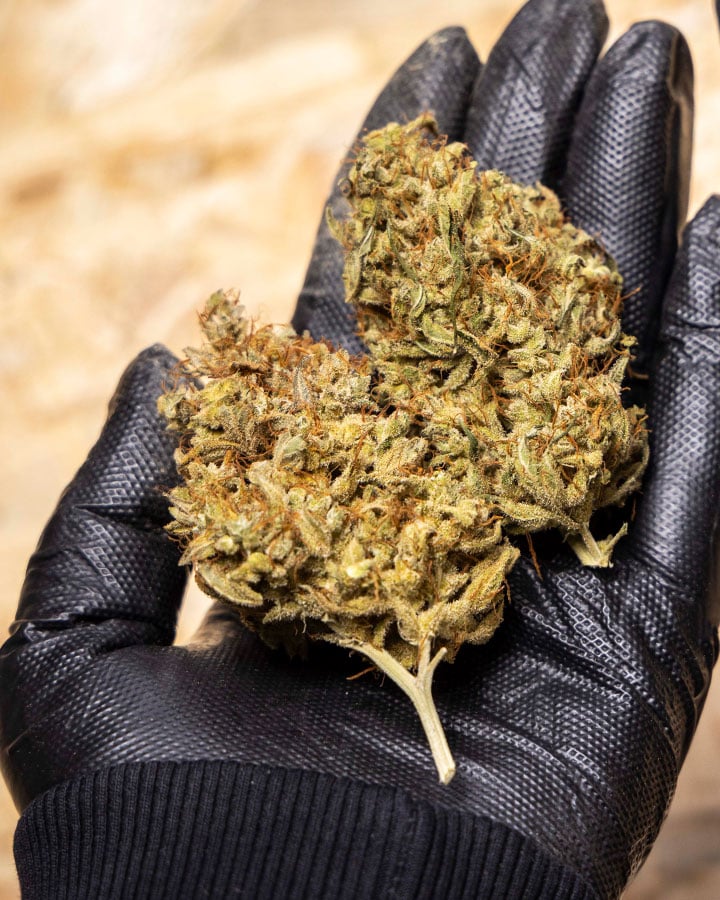
Zunyi (遵义) in Guizhou Province is better known for its mountain scenery, spicy cuisine, and “Red Tourism” history than for anything cannabis-related. If you’re researching “weed in Zunyi” as a visitor, the most important takeaway is simple: China treats cannabis as an illegal drug, and enforcement can be strict. That reality shapes everything else—risk, what “availability” rumors actually mean, and what the genuinely safer choices are while you’re in town. (CMS Law)
This guide focuses on legal reality, practical risk-reduction, and lawful alternatives (not on sourcing or how-to). If you want a relaxing trip in Zunyi, you can absolutely do that—just don’t rely on cannabis to be part of it/Weed in Zunyi.
Zunyi at a glance: the vibe, the city, the visitor experience
Zunyi is a sizable prefecture-level city in northern Guizhou, surrounded by hills and river valleys. It’s a useful base for regional travel—food streets, markets, tea culture, hotpot and sour-spicy Guizhou flavors, and easy day trips into scenic countryside. Tourism often centers on history sites and nature rather than nightlife, and most visitors experience Zunyi as a low-key, local-feeling city compared to megacities on the coast.
That matters because some travelers assume a smaller city means “less enforcement.” In China, that assumption can backfire. Drug policy is national, and local enforcement priorities can vary, but the legal baseline is the same everywhere—including Zunyi. (CMS Law)
Cannabis law in China: the national rules that apply in Zunyi
China’s framework treats marijuana as an illicit drug. The big picture:
- Recreational cannabis is illegal.
- Medical cannabis (as understood in many Western countries) is not broadly legal.
- Industrial hemp exists in China under regulation, but that does not translate into legal “weed.” (Wikipedia)
China’s laws and enforcement distinguish between different drug-related behaviors (possession, use, trafficking, manufacturing, etc.), but a key point in many legal summaries is that drug trafficking/manufacturing offenses are treated extremely seriously, and severe penalties can apply. (CMS Law)
Practical implications for visitors:
- Do not carry cannabis or THC products into China (including vape cartridges, edibles, or anything containing THC).
- Be extremely careful with “CBD” too—rules and product realities can be complicated, and mislabeled products are a known risk in many markets. (More on that below.) (Leafwell)
“But I heard…”: common myths about weed in China (and why they’re risky)
Myth 1: “Small amounts are just a fine.”
In many countries, minor possession can lead to a ticket or warning. China is not that environment. Even if penalties vary by circumstances, the risk profile is high and not worth gambling your trip—or your freedom—on assumptions. (CMS Law)
Myth 2: “Foreigners get a pass.”
Foreign nationals can face the same legal system, and drug issues can escalate quickly. Recent reporting highlights how seriously China treats drug offenses, including cases involving foreigners. (The Washington Post)
Myth 3: “CBD is always legal.”
CBD legality and enforcement vary worldwide, and products are not always what labels claim. Even where CBD is permitted, THC-contamination or mislabeling can create risk. If you can’t independently verify ingredients and local rules, treat it as not worth it while traveling in China. (Leafwell)
Risk reality in Zunyi: what “getting caught” can look like
I can’t tell you how enforcement is conducted in any specific neighborhood on any specific night, and you should treat anyone online who claims certainty as unreliable. What is reliable is that:
China maintains a nationally strict stance on drug control. (CMS Law)
- If a situation escalates into a trafficking allegation, the consequences can be severe. (The Washington Post)
The “travel-safe” approach in Zunyi is: assume zero tolerance, plan your relaxation around legal activities, and don’t create a problem you can’t undo.
Culture and cannabis: why Zunyi isn’t a “weed destination”
In many places where cannabis is tolerated, there’s a visible culture—cafés, dispensaries, clubs, events, or at least a wink-wink social norm. Zunyi isn’t built like that.
- There isn’t an open cannabis scene for visitors.
- The social cost of being associated with drugs can be significant.
- Most nightlife is oriented around food, tea, local beer/spirits, KTV, and social dining.
So if your goal is a “cannabis travel” trip, Zunyi (and China generally) is the wrong fit. If your goal is to enjoy Guizhou, you can still have a great time—just shift the plan.
Legal alternatives in Zunyi: how to unwind without cannabis
If your cannabis use at home is about sleep, stress relief, or mood, you can replicate a lot of that feeling with lawful options:
1) Hot baths, hot springs, and heat therapy
If you can access bathing facilities (varies by hotel/area), heat + quiet time can produce a “body calm” similar to what some people seek from cannabis.
2) Tea ritual and slow evenings
Guizhou tea culture and simple routines—tea, fruit, a walk, early night—can be surprisingly effective for sleep and jet lag.
3) Food as comfort (and spice as “endorphin therapy”)
Guizhou cuisine is famous for sour-spicy flavors. Spicy food can trigger endorphins and change your body state—great if you enjoy it (and if your stomach agrees).
4) Movement that downshifts your nervous system
Gentle hikes, long walks, temple visits, or even a hotel-room mobility routine can do what cannabis often does: lower stress and improve sleep.
5) If you use cannabis medically
Traveling to China with THC products is high-risk; consider speaking with your clinician in advance about legal, non-controlled strategies for the duration of your trip (sleep hygiene, non-controlled meds where appropriate, physical therapy tools, etc.). (Leafwell)
What about hemp, CBD, or “cannabis skincare” items?
This is where travelers get tripped up.
- Hemp (industrial cannabis) exists as an agricultural/industrial category in China, but that does not make THC products acceptable. (Wikipedia)
- CBD is complicated internationally, and product labels can be misleading. Education resources like Project CBD explain CBD basics and safety considerations, but that doesn’t guarantee legality in every place you travel. (Project CBD)
A cautious travel rule for China: don’t bring cannabis-derived ingestibles or vapes, and be skeptical of anything marketed as cannabis/CBD unless you have extremely clear, verifiable legal guidance for your exact situation.
If you’re a regular consumer: realistic expectations while visiting
A lot of people simply want to avoid a miserable week. Some practical, lawful ways to reduce discomfort:
- Plan sleep first: stable bedtime, dark room, reduce caffeine, short morning light exposure.
- Hydration + food routine: travel stress often looks like “withdrawal” when it’s actually dehydration, irregular meals, and poor sleep.
- Consider non-controlled supports: melatonin (where appropriate), magnesium (if you tolerate it), calming breathing routines.
- Avoid risky social situations: don’t follow strangers, don’t trust “it’s safe” claims from random contacts.
This isn’t moral advice—it’s trip protection.
FAQs: Weed in Zunyi
Is weed legal in Zunyi?
No. Cannabis is illegal in China for recreational use, and national drug laws apply in Zunyi the same as elsewhere. (CMS Law)
Are penalties actually serious, or is it mostly a scare tactic?
China’s drug policy is widely described as strict, and reporting continues to highlight severe consequences for drug offenses, including cases involving foreigners. (The Washington Post)
Is CBD legal in Zunyi if it has “no THC”?
CBD rules and enforcement can be complex, and products may not match labels. Even if something is marketed as “THC-free,” contamination/mislabeling is a real risk. For travel in China, the safest assumption is to avoid cannabis-derived products unless you have clear, reliable legal confirmation for your exact product and context. (Leafwell)
Can I bring a weed vape or edibles in my luggage?
That’s a high-risk decision. Importing/possessing controlled substances can lead to serious legal trouble. The prudent move is: don’t. (CMS Law)
Is hemp legal in China?
Hemp has legal industrial uses in China, but that does not mean THC cannabis is legal. (Wikipedia)
Is Zunyi safer than big cities if someone wants to take chances?
No place is “safe” for illegal drug activity. Smaller cities can be less familiar with foreigners and sometimes draw more attention, not less. Your best risk-reduction strategy is not to engage at all.
What should I do if I need cannabis medically?
Do not assume your home prescription or medical card has any legal meaning in China. Plan ahead with your clinician for legal alternatives during travel (sleep planning, non-controlled symptom management, etc.). (Leafwell)
Are there any legal ways to relax that feel similar?
Yes: hot baths/heat therapy, long walks/hikes, tea routines, massage (from reputable providers), and structured sleep hygiene can replicate many of the calming effects people seek from cannabis—without legal risk.
Will a positive drug test matter if I used cannabis before arriving?
I can’t give jurisdiction-specific legal predictions for hypothetical scenarios. Practically, if you’ve used cannabis recently before travel, avoid any situation that could escalate your risk (conflicts, suspicious environments, carrying questionable products).
Outbound links (authoritative cannabis education sites) — just 3
https://norml.org/
https://www.leafly.com/
https://projectcbd.org/
References
- CMS Expert Guide: overview of cannabis legality in China and related legal framing. (CMS Law)
- Criminal Law of the People’s Republic of China (English version hosted by China’s court website). (Supreme People’s Court of China)
- Background overview: “Cannabis in China” (general context; not legal advice). (Wikipedia)
- Travel/consumer-facing summary of risks and hemp/THC threshold claims (contextual reading). (Leafwell)
- CBD education resources (general science/health education). (Project CBD)
- Reporting on China’s strict drug enforcement and high-stakes penalties (recent context). (The Washington Post)
Conclusion
If you’re searching “weed in Zunyi,” it’s usually because you want to unwind while traveling. In Zunyi (and China generally), cannabis isn’t a casual add-on to a trip—it’s a high-risk legal exposure that can turn a normal vacation into a serious problem. (CMS Law)
The better play is to treat Zunyi as what it actually excels at: food, mountains, tea, slow evenings, and cultural history—and build your relaxation around legal, low-drama options. You’ll enjoy the city more, and you’ll leave with memories instead of complications.
You’re the best when it comes to marijuana products , always taking care of me. Definitely recommending you to my friends.Thanks for the quick delivery .Really happy with the product .As usual, it’s top-notch. Keep it up you. you can contact them on email scenthub43@gmail.com and also there Telegram : https://t.me/scenthub43
wow Thanks for the referral they have great service and got the best weed around. and the delivery is so smooth

Thanks for always being reliable! I can always count on you for good product.
You’re the go-to in the area for a reason. Always a smooth experience